
Popular Tree Removal Products For Safe and Effective Work
Explore a wide range of trusted tools and gear that help you perform tree removals with confidence and precision.
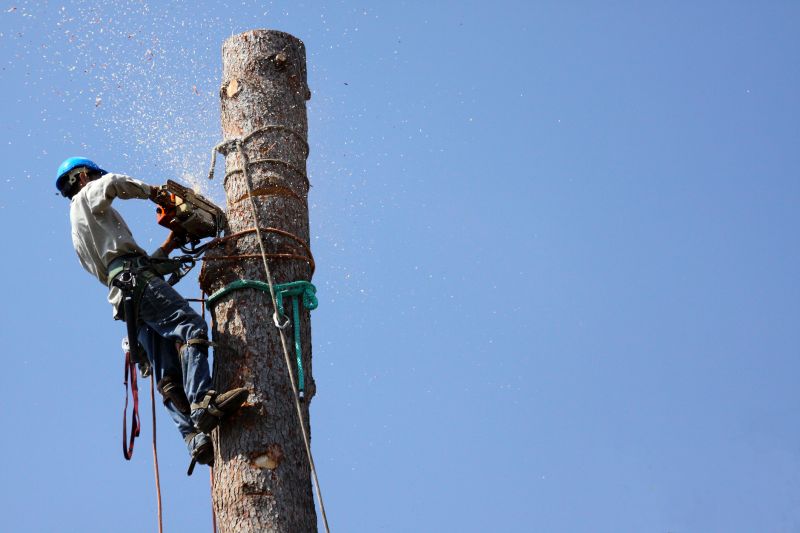 When considering tree removal projects in Dubuque, IA, selecting the appropriate tools and equipment is essential for safety and efficiency. Tree removal involves various tasks such as cutting, trimming, and safely disposing of large branches and trunks. Proper planning and the right products can help ensure the job is completed effectively while minimizing risks. Whether managing overgrown trees, removing hazardous limbs, or clearing land for new development, having reliable equipment is crucial.
Top Overall Option
Heavy-Duty Gas-Powered Chainsaw
A versatile, high-powered chainsaw designed for demanding tree removal tasks. It offers a balance of power, durability, and ease of use, making it suitable for both professional arborists and serious DIY enthusiasts. Features often include a robust engine, ergonomic design, and safety features such as chain brakes and anti-vibration systems. Proper maintenance and handling are essential for safe operation.
Types of Products For Tree Removals
Chainsaws
Electric or gas-powered chainsaws are essential for cutting through thick branches and trunks efficiently.
Pole Saws
Extendable saws ideal for trimming high branches without the need for ladders.
Pruning Shears
Handheld tools for trimming smaller branches and shaping trees.
Loppers
Long-handled cutting tools for reaching and trimming mid-sized branches.
Rope and Pulley Systems
Assist in controlling the fall of large limbs and trunks during removal.
Tree Climbing Gear
Harnesses, spikes, and safety ropes for professional tree climbers.
Stump Grinders
Machines designed to grind down remaining tree stumps after removal.
Chippers and Mulchers
Equipment for converting branches and debris into mulch or chips.
Aerial Lifts
Elevating platforms to access high branches safely and efficiently.
Safety Gear
Helmets, gloves, eye protection, and hearing protection for safe operation.
Felling Wedges
Tools used to guide the direction of falling trees and prevent splitting.
Ropes and Slings
Assist in lifting or stabilizing limbs during removal.
Debris Bags and Tarps
Help in collecting and managing fallen branches and wood.
Popular Choices
Portable and easy to handle, suitable for smaller tree trimming tasks.
Ideal for delicate trimming and shaping of branches.
Reach high branches without climbing.
Powerful options for larger tree removal projects.
Safety equipment for professional tree work.
Effective tools for stump removal after tree felling.
Used for controlled limb lowering.
Provide stable access to high branches.
Protective gear for safe operation.
Assist in directing the fall of trees.
Facilitate cleanup post-removal.
Convert branches into mulch on-site.
The process of tree removal can be complex, especially when dealing with large or difficult-to-access trees. Safety gear, cutting tools, and support equipment play significant roles in ensuring a smooth operation. It is important to choose products that match the size and scope of the project, as well as your experience level. Properly maintained tools not only improve efficiency but also help prevent accidents and injuries.
In Dubuque, IA, local regulations and property considerations might influence the choice of equipment. For instance, some projects may require specialized tools for working near power lines or in tight spaces. Investing in high-quality products can make a difference in handling these challenges effectively. Additionally, understanding the specific features of each product can help you select the best options for your particular tree removal needs.
Key Buying Considerations
- Tree size and trunk diameter to determine suitable equipment capacity.
- Type of tree and branch thickness for selecting appropriate cutting tools.
- Safety features such as chain brakes, anti-vibration handles, and protective gear.
- Ease of use and ergonomic design for prolonged tasks.
- Power source preferences: electric, battery-powered, or gas-powered.
- Mobility and weight of equipment for maneuverability in tight spaces.
- Durability and build quality to withstand demanding use.
- Compatibility with accessories and attachments for versatility.
- Maintenance requirements and availability of replacement parts.
- Local regulations or permits related to tree felling and removal.
- Environmental conditions, such as weather and terrain, affecting equipment choice.
- Experience level of the operator and need for professional-grade tools.
- Budget constraints while balancing quality and functionality.
- Ease of transportation and storage of equipment.